Introduction to a Shift in Priorities
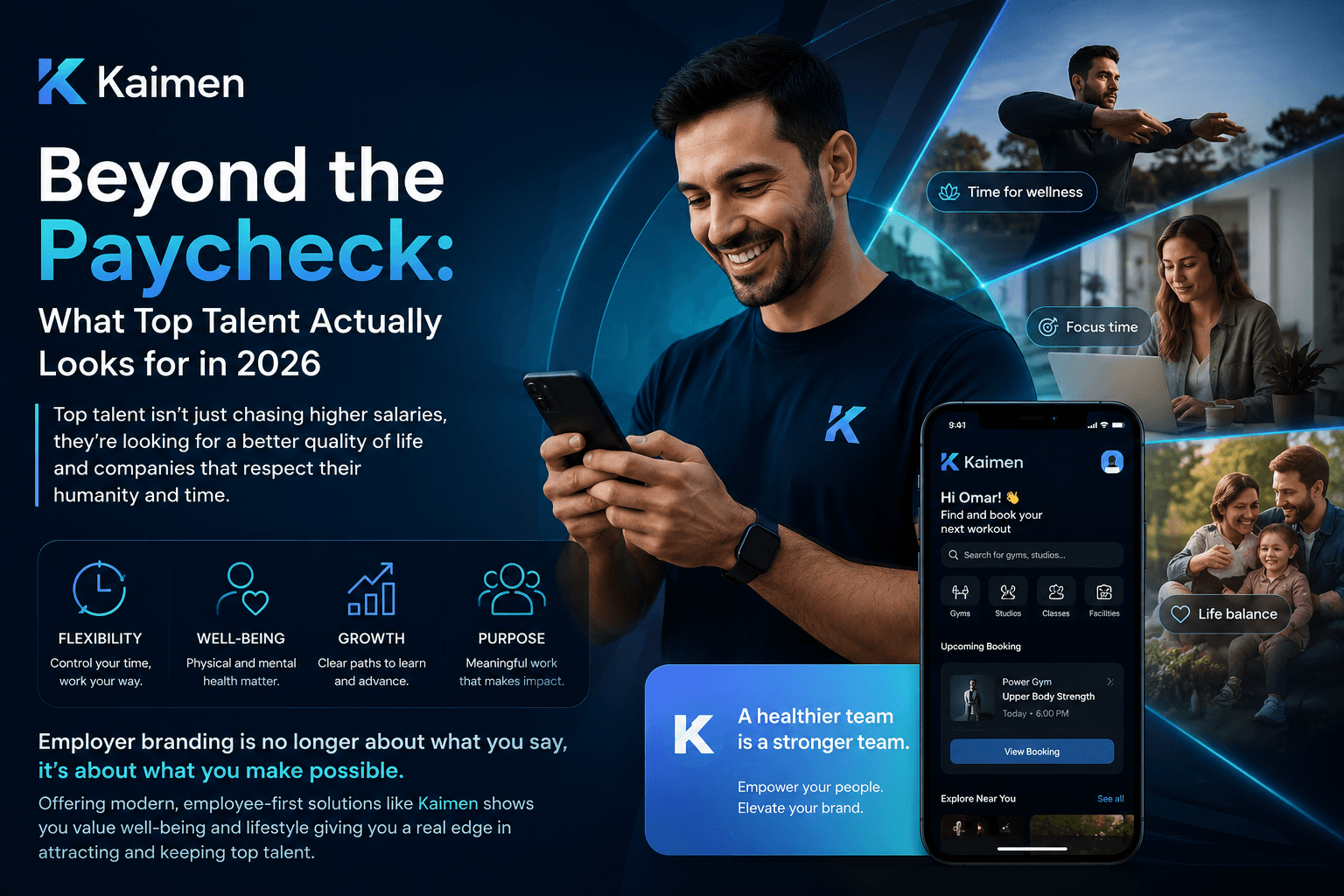
The modern workplace is undergoing a significant transformation, driven by changing employee expectations. Young professionals and top talent are no longer satisfied with high salaries alone; they are seeking a better quality of life and companies that respect their humanity and time. This shift in priorities has profound implications for employer branding and how companies attract and retain the best talent.
This evolution in employee expectations is rooted in a broader societal trend. As the world becomes more interconnected and fast-paced, individuals are placing greater value on their personal well-being and work-life balance. The traditional model of a 9-to-5 job, with its rigid structures and long hours, is no longer appealing to many. Instead, there is a growing demand for flexibility, autonomy, and a sense of purpose beyond the paycheck.
The consequences of not adapting to these changing expectations can be severe. Companies that fail to evolve their approach to employee satisfaction risk losing their top talent to more forward-thinking competitors. In a highly competitive job market, the ability to attract and retain the best employees is crucial for driving innovation, productivity, and ultimately, business success.
Causes of the Shift
The causes of this shift are multifaceted and interconnected. One key factor is the growing awareness of mental health and wellness. As the stigma around mental health issues decreases, individuals are becoming more vocal about their needs and expectations for a healthy work environment. This includes flexible working arrangements, access to wellness programs, and a culture that supports openness and vulnerability.
Another significant factor is the impact of technology on work-life balance. While technology has brought many benefits, such as increased connectivity and productivity, it also blurs the boundaries between work and personal life. Employees are now expected to be constantly available, leading to an always-on culture that can be detrimental to mental and physical health.
Finally, the changing nature of work itself is driving this shift. With the rise of the gig economy and remote work, traditional employment models are being challenged. Employees are seeking more autonomy, flexibility, and variety in their work, which aligns with the broader trend towards a better quality of life.
Data-Backed Trends
Recent studies and surveys have highlighted the extent of this shift in employee expectations. For instance, a significant majority of employees now prioritize work-life balance and flexibility when considering job opportunities. This trend is not limited to any particular demographic; it is a widespread phenomenon that cuts across age groups, industries, and geographies.
Furthermore, employee well-being has become a critical factor in job satisfaction. Employees who feel that their well-being is supported by their employer are more likely to be engaged, productive, and committed to their job. This has significant implications for HR strategies and employer branding, as companies must now demonstrate a genuine commitment to employee well-being to attract and retain top talent.
In terms of specific trends, there is a growing interest in flexible working arrangements, such as remote work, flexible hours, and compressed workweeks. Employees are also seeking more opportunities for professional development, feedback, and growth, which suggests a desire for continuous learning and skill-building.
Egypt and MENA Workplace Context
The trends observed globally are also relevant in the Egyptian and MENA context. The region is characterized by a young, dynamic workforce with high aspirations and expectations. As the economy continues to grow and diversify, there is an increasing demand for skilled, talented employees who can drive innovation and entrepreneurship.
However, the region also faces unique challenges, such as high unemployment rates, particularly among young people, and a shortage of skilled workers in certain sectors. To address these challenges, companies must be proactive in developing their talent pipeline, investing in employee development, and creating a work environment that is attractive to top talent.
In Egypt, for example, there is a growing emphasis on entrepreneurship and startup culture, which is driving the demand for flexible, adaptable employees who can thrive in fast-paced, innovative environments. This presents an opportunity for companies to differentiate themselves by offering a unique employee value proposition that emphasizes flexibility, autonomy, and growth opportunities.
HR Implications
The implications of these trends for HR strategies are profound. Companies must now adopt a more holistic approach to employee satisfaction, one that goes beyond traditional benefits and compensation packages. This includes investing in employee well-being, offering flexible working arrangements, and creating a culture that supports work-life balance and autonomy.
HR leaders must also become more adept at communicating the employee value proposition to attract and retain top talent. This involves developing a compelling narrative around the company's mission, values, and culture, as well as highlighting the opportunities for growth, development, and well-being that the company offers.
To achieve these goals, HR teams can leverage a range of strategies, including:
- Conducting regular employee feedback and engagement surveys to understand their needs and expectations.
- Developing and implementing flexible working policies that support work-life balance and autonomy.
- Investing in employee wellness programs, such as mental health support, fitness classes, and nutrition counseling.
Employee Perspective
From the employee's perspective, the desire for a better quality of life and a sense of purpose beyond the paycheck is driven by a range of factors, including personal values, lifestyle, and career aspirations. Employees are seeking a work environment that is supportive, inclusive, and aligned with their individual goals and values.
This includes having access to opportunities for growth and development, such as training, mentorship, and feedback. Employees also want to feel that their work is meaningful and contributes to a larger purpose, whether that is driving business results, creating social impact, or innovating new products and services.
Furthermore, employees are placing a high premium on their physical and mental well-being, which includes having a healthy work-life balance, access to wellness programs, and a culture that supports openness and vulnerability. Companies that can provide these benefits are more likely to attract and retain top talent, as employees are willing to invest their time and energy in organizations that invest in their well-being.
Practical Steps for Leaders
So, what can leaders do to respond to these changing employee expectations and create a work environment that attracts and retains top talent? First, they must recognize the importance of employee well-being and make a genuine commitment to supporting it. This involves investing in wellness programs, flexible working arrangements, and a culture that prioritizes work-life balance and autonomy.
Leaders must also become more adept at communicating the employee value proposition and highlighting the opportunities for growth, development, and well-being that the company offers. This involves developing a compelling narrative around the company's mission, values, and culture, as well as leveraging social media, employee ambassadors, and other channels to reach potential candidates.
Additionally, leaders can take the following practical steps:
- Conduct a thorough review of the company's HR policies and practices to ensure they are aligned with the changing expectations of employees.
- Develop and implement a flexible working policy that supports work-life balance and autonomy.
- Invest in employee wellness programs, such as mental health support, fitness classes, and nutrition counseling.
- Provide opportunities for growth and development, such as training, mentorship, and feedback.
Conclusion and Call to Action
In conclusion, the modern workplace is undergoing a significant transformation, driven by changing employee expectations. Top talent is no longer satisfied with high salaries alone; they are seeking a better quality of life, a sense of purpose, and companies that respect their humanity and time.
To attract and retain top talent, companies must evolve their approach to employee satisfaction, investing in well-being, flexibility, and growth opportunities. By doing so, they can create a work environment that is supportive, inclusive, and aligned with the values and aspirations of their employees.
Companies like those that partner with Kaimen are already taking steps in this direction, recognizing the importance of flexible corporate wellness platforms in supporting employee well-being and driving business success. By prioritizing the needs and expectations of their employees, these companies are positioning themselves for long-term success and growth in a rapidly changing business environment.