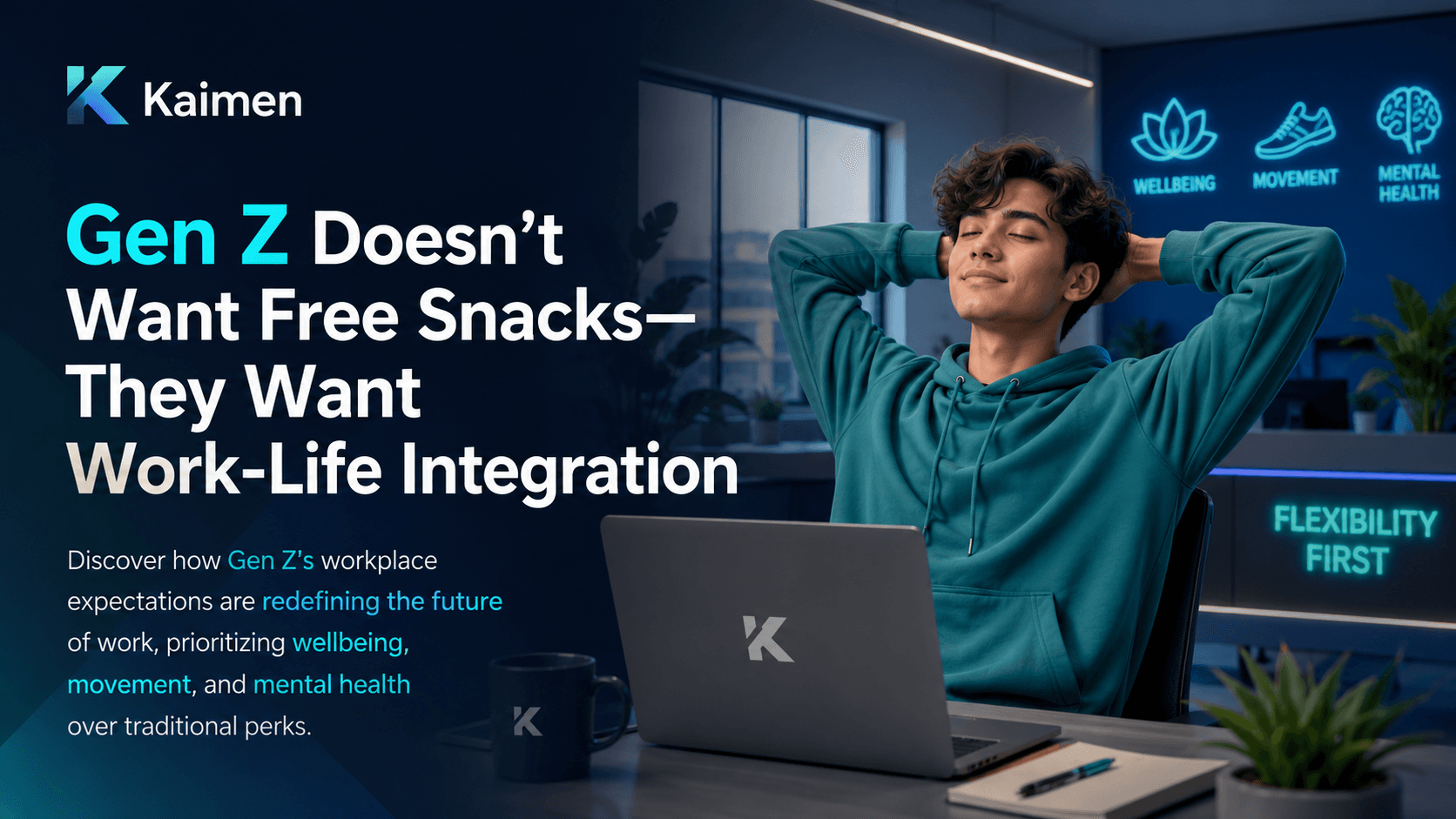
The modern workplace is at a crossroads, with the influx of Gen Z workers bringing about a seismic shift in expectations. Gone are the days of enticing new talent with free snacks and foosball tables; today's young professionals crave something far more substantial. As they become a major segment of the global workforce, their priorities are fundamentally different from those of previous generations, with wellbeing, movement, and mental health emerging as non-negotiable fundamentals rather than extra benefits.
The Changing Landscape of Work
This shift is not merely a matter of generational preference; it reflects a broader societal evolution towards recognizing the intrinsic value of health and wellbeing in the workplace. As such, companies that continue to rely on traditional perks to attract talent are not only missing the mark but also risking their long-term viability in the war for talent.
Understanding the causes behind this shift is crucial for businesses aiming to adapt and thrive. At its core, Gen Z's perspective on work-life integration stems from a deep-seated desire for autonomy, flexibility, and a sense of purpose. They view their jobs as part of a broader lifestyle, rather than the sole defining factor of their existence.
Work-Life Integration: A New Paradigm
This new paradigm challenges the long-standing boundaries between professional and personal life, suggesting that a healthy, fulfilling career is deeply intertwined with one's overall wellbeing. It's a perspective that resonates particularly in regions like Egypt and the MENA area, where family and community ties are strong, and the concept of work-life balance is increasingly valued.
Implications for HR and Leadership
For HR departments and leadership, this means reevaluating traditional approaches to employee benefits and work culture. It's no longer sufficient to offer a generic wellness program or a one-size-fits-all approach to mental health support. Instead, companies must strive to create personalized, flexible environments that support the diverse needs and aspirations of their workforce.
Practical steps can include offering flexible working hours, access to mental health resources, and programmes that encourage physical activity and social interaction. By doing so, businesses can not only attract but also retain top talent, fostering a work environment that is conducive to growth, creativity, and overall job satisfaction.
Trends and Insights
Industry trends illustrate a general move towards more holistic approaches to employee wellbeing, recognizing that happy, healthy workers are more productive and contribute positively to the company culture. This is reflected in the increasing popularity of wellness-focused initiatives, from mindfulness workshops to on-site fitness classes.
- Adopting flexible work arrangements to accommodate different lifestyles and needs.
- Investing in mental health support systems, including access to counseling services and stress management workshops.
- Encouraging physical activity through gym memberships, sports teams, or simply by promoting walk-and-talk meetings.
Employee Perspective: Why It Matters
From the employee's standpoint, this shift towards work-life integration and wellbeing is about more than just job satisfaction; it's about living a meaningful, balanced life. Gen Z workers, in particular, are keenly aware of the importance of mental and physical health, having grown up in an era where these issues are more openly discussed and understood.
This awareness translates into high expectations for their employers, with many seeking out companies that not only acknowledge but actively support their wellbeing. It's a trend that suggests the future of successful businesses will be closely tied to their ability to provide meaningful, supportive work environments.
Practical Steps for Leaders
So, what can leaders do this quarter to begin aligning their companies with these emerging expectations? A good starting point involves conducting internal audits to understand the current state of employee wellbeing and what changes could make a tangible difference.
- Conduct surveys and focus groups to understand employee needs and preferences.
- Develop a comprehensive wellbeing strategy that addresses mental health, physical activity, and work-life balance.
- Implement flexible work policies and ensure they are accessible to all employees.
Looking Ahead: The Role of Technology
Technology will undoubtedly play a critical role in facilitating this shift, offering solutions that are both accessible and tailored to individual needs. Platforms that provide flexible, digital-first wellness solutions can be particularly valuable, helping businesses cater to the diverse preferences of their workforce.
For companies in Egypt and the broader MENA region, leveraging such platforms can be a strategic move, enabling them to compete effectively in the global talent market while fostering a healthy, productive work environment.
As the workplace continues to evolve, solutions like Kaimen are poised to make a significant impact, offering a flexible corporate wellness platform that aligns with the dynamic, autonomy-driven lifestyle demands of the rising workforce.
Conclusion: Embracing the Future
In conclusion, the future of work is not just about adapting to new trends but about fundamentally transforming the way we approach employment and wellbeing. As Gen Z continues to shape the workforce, their expectations will push companies to innovate and prioritize work-life integration, movement, and mental health.
By embracing this shift and taking proactive steps towards creating supportive, flexible work environments, businesses can not only attract and retain top talent but also position themselves for long-term success in an increasingly competitive global market.